The transparent hose is a critical component in modern fluid transfer, offering a unique combination of flexibility, chemical resistance, and visual monitoring. Unlike opaque tubing, the clarity of a transparent hose allows operators to detect blockages, air bubbles, or contamination in real-time.
However, achieving high-performance transparency requires more than just “clear plastic.” It demands precise PVC Compound engineering and advanced construction techniques to handle varying temperatures and industrial pressures.
Table of Contents
1. Transparent Hose Construction: The Science of Clarity
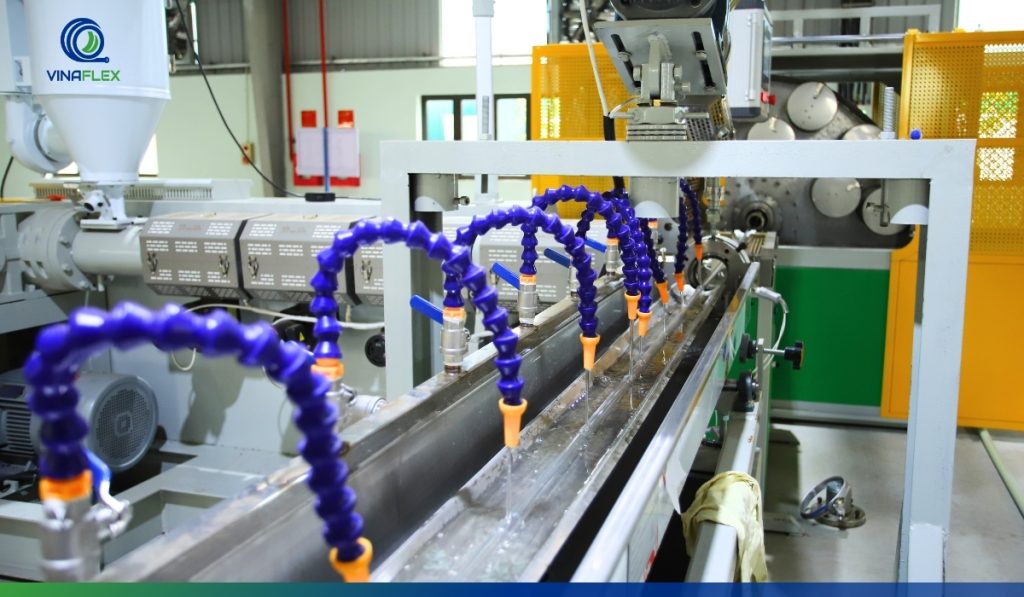
Industrial-grade transparent suction and discharge hoses rely on high-gloss vinyl construction. These flexible pipes are engineered with specific surface features to optimize performance:
- Interior Surface Features: High-quality transparent hoses feature a smooth interior wall. This “mirror finish” reduces sediment buildup, cuts down on contamination risk, and improves flow velocity.
- High-Gloss Look: A superior PVC Compound provides a crystal-clear finish that resists clouding or yellowing over time, which is essential for visual audits.
- Self-Extinguishing Properties: Quality PVC is naturally flame-retardant, adding a layer of safety in industrial settings.
2. Technical Specifications of Transparent Hose
Understanding the specs helps you pick the best transparent hose for your specific environment, whether it’s for high-pressure lines or lightweight drainage.
Shore Hardness Ratings
The flexibility and toughness of vinyl tubing are measured by Shore hardness.
- The Balance: Most industrial transparent hoses utilize a 75±3 Shore “A” rating.
- The Benefit: This specific balance allows the hose to keep its shape under vacuum or pressure while remaining flexible enough to bend around tight corners in factory layouts.
Temperature Rating and Working Pressure
Transparent hoses must remain stable under thermal stress.
- Standard Rating: Industrial versions typically handle temperatures from -10°C to +65°C (14°F to 150°F).
- Pressure Dynamics: Working Pressure (W.P.) generally ranges from 3 Bar to 10 Bar at 20°C, depending on the reinforcement. Note: Pressure ratings must be reduced as temperatures reach the maximum limit.
| Feature | Single Clear (1-Ply) | Fiber Reinforced (3-Ply) |
| Material | Clear Non-toxic PVC | Reinforced PVC |
| Reinforcement | None | High-Tensile Polyester Fiber |
| Pressure | Normal conditions | High-pressure applications |
| I.D. Range | 6mm to 25mm | 6mm to 25mm |
3. Reinforcement Options: Non-Reinforced vs. Braided
The choice between a single-wall and a braided hose depends entirely on your pressure requirements.
- Single Clear Hose (Non-reinforced): Best for lightweight tasks, siphon lines, or gravity-fed systems where high pressure is not a factor.
- Fiber Reinforced (Braided) PVC Hose: This is the top choice for industrial needs. By embedding multiple textile braids within the PVC Compound, the hose gains extra strength.
- Visibility: Even with heavy reinforcement, the hose remains clear, making it perfect for industrial fluid transfer systems where you need to see the “action”.
Food Grade Compliance and FDA Standards
In the F&B and medical sectors, material purity is the law. Transparent hoses for these fields must meet strict criteria:
- FDA & NSF-51 Compliance: Materials must be non-toxic and safe for food equipment.
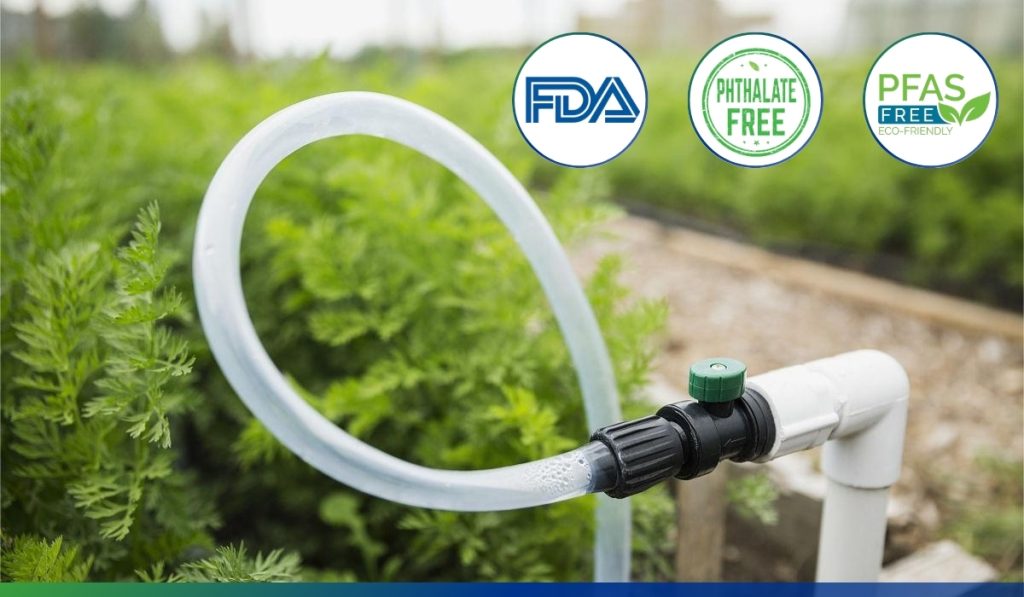
- Phthalate-Free & PFAS-Free: Modern standards require the removal of harmful plasticizers to prevent chemical leaching into the fluid stream.
- RoHS & REACH: Ensures the hose is eco-friendly and free from hazardous substances.
Chemical Resistance: Protecting the Flow
Transparent hoses are known for their ability to handle a wide range of chemicals. However, compatibility is influenced by temperature and exposure duration.
- Excellent Resistance: Suitable for alcohols, fats, oils, and weak acids.
- Non-Reactive: Works well with ammonia and many aluminum compounds.
- Pro-Tip: Always verify the PVC Compound compatibility with specific solvents or esters, as some hydrocarbons can cause the vinyl to stiffen or crack over time.
4. Sourcing Strategy: The Value of In-House PVC Compound
For global importers, the reliability of a transparent hose starts with the raw material. At VinaFlex, our position within the Nhat Huy Group allows us to produce our own PVC Compound.
- Source-Level Control: we engineer PVC compounds to ensure exceptional clarity and consistent Shore hardness.
- Production Scale: Our 5-hectare factory operates numbers of production lines and delivers a capacity of 500 tons per month to 60+ countries.
- OEM Customization: From custom lengths (50ft, 100ft, or 300ft) to specific wall thicknesses (1/32″ to 1/4″), we adapt the construction to your specific industrial needs.
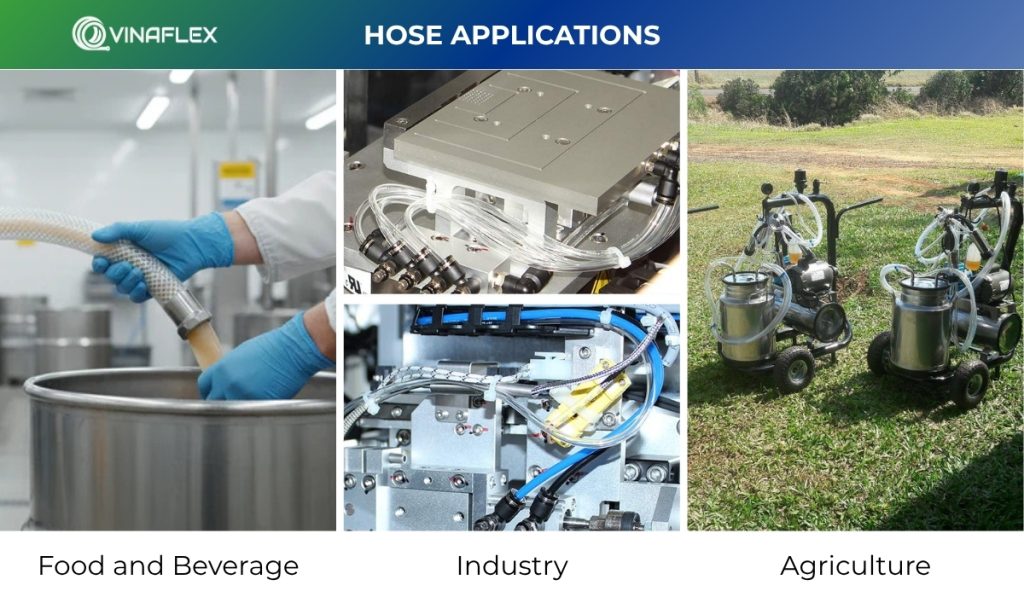
Visual audits are only as good as the clarity of your hose. Whether you are transferring air, liquid food, or weak chemicals, VinaFlex Transparent Hoses offer the visibility and durability required by US and EU standards.
Download the Transparent Hose Technical Data Sheet or [Request a quote for your OEM project]: